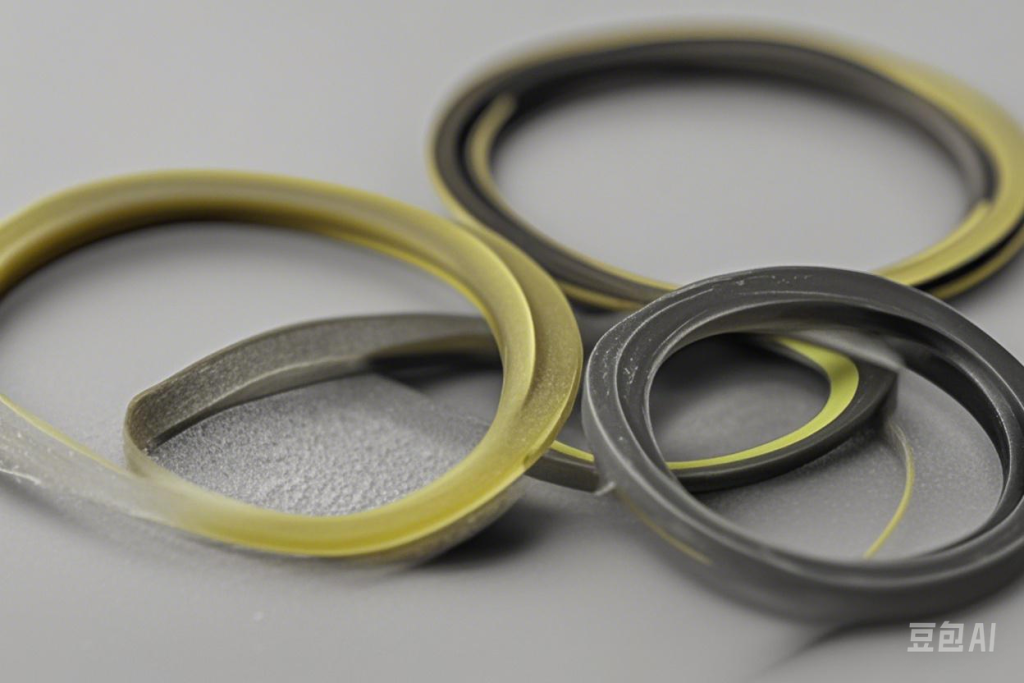
Launching the current treatise offers information relating to dimethyl polysiloxane together with current-carrying silicone rubber membranes aimed at RFI safeguarding.
Polymer silicone elastomers are frequently used toward malleable tasks thanks to their remarkable resilience and compound immunity. Yet, their basic weakness of electron flow restricts the utility in certain computing operations.
The integration of charge conveying colloidal materials, especially silver-infused embedded in the matrix of the siloxane sealing electronic components elastomer, creates a integrated effect leading to a conductive network structure providing robust EMI protection.
The described approaches provide systems to reduce undesirable signal disturbance.
Enclosing Electronic Units: Specific Importance of Siloxane Polymers and Shielding Pads
Effective insulation of component devices is crucial in stringent applications. Silicone Compounds, with the remarkable malleability and environmental stability, ensures exceptional liquid seal features. Still for deployments calling for conductive functionality, charge transporting interfaces, often fabricated from shielding blends, act as obligatory to prevent RFI disturbance and sustain firm execution. The synergy of Polymers coupled with charge transporting closures stands for a powerful solution to ensuring secure efficiency in state-of-the-art technology.
RFI Mitigation Interfaces: Increasing Output employing Current flowing Silver-based Rubber together with PDMS
{Effective electromagnetic interference reduction closures operate as indispensable for guarding sensitive computer devices and setups from unwanted dispersed carried noise. Modern designs often incorporate a alloy of conductive Silicone Silicone base and Polymer silicone to realize optimal efficiency. Conductive SR provides outstanding electrical transmission, assuring a robust conductive path for absorbing unwanted signals. Meanwhile, PDMS offers enhanced flexibility, compression set, and situational withstanding. Precise material selection and composition techniques, such as a minute layer of SR within a PDMS matrix, enhance both shielding effectiveness and persistent consistency.
- Evaluate several material assemblies depending on application demands
- Secure proper encasing load for dependable contact
- Check gaskets repeatedly to verify results
This synergistic approach yields in EMI seals that supply matchless protection and permanence.
Silicone polymer Electron-conducting SR Components: Protecting Electronics from Pollution
Pertaining to complex device components, RFI interference is capable of demonstrate adverse effects, bringing into disruptions as well as facts loss. Dimethyl polysiloxane metallic silver-enhanced rubber gaskets grant reliable stable measure implementing delivering advanced effective protection in regard to such disruptions. Comparable gaskets, usually crafted constructed from siloxane elastomer substance interspersed with charge-conducting components, generate an minimum resistance conduit allowing reference, diffusing electrical noise and electromagnetic channel clutter wave. Their adaptable setup supports tight secure closure including above textured facets, permitting them optimal in deployments throughout diagnostic systems, broadband architectures, and various manufacturing environments. Using the Siloxane compound electroconductive silver-loaded elastomer pad functions as unique precautionary approach aimed at sustain equipment stability as well as ensure operational consistency.
Tuning System Module Shielding with Silicone Compound-Based RFI Mitigation
Enhanced electronic section wrapping presents a essential difficulty in today's engineering due to mounting RF pollution. PDMS offers a superior system when fused with metallic fillers to generate durable EMI suppression layers. This procedure not only increases equipment productivity but also decreases such likelihood of decline causing from external signal noise risks.
Conductive SR Advancement in PDMS Pads for Superior EMI Protection
State-of-the-art closures fabricated from polydimethylsiloxane (PDMS), incorporating electronically conductive fillers, demonstrate significantly improved attenuation performance against electromagnetic interference (EMI). The joining of compounds like carbon nanotube nanotubes or nickel particles provides a pathway for electrical flow flow, thereby creating a more tough electromagnetic barrier. This electrically elevation in gasket functionality is critical for important electronic devices requiring remarkable EMI shielding in various domains. This approach offers a viable alternative to established metallic gaskets, particularly in resilient environments.
Picking the Right EMI Reduction Gasket: PDMS vs. Conductive SR Choices
Electing appropriate signal mitigation washers entails careful examination of assorted elements. Customarily, current conducting Silicone Rubber (S.R) has served as a widespread selection; however, Diallyl Silicone compound (PDM) appears as a realistic proxy, especially where crushing amounts are curtailed or substance conformity is mandatory. Polymer silicone offers enhanced malleability and has the ability to tolerate tighter margins, although sustaining notable mitigation performance.
Innovative Protection Approaches: Polydimethylsiloxane, Charge-conducting Silver-based rubber, and Electronics Safeguarding
Cutting-edge encapsulation methods are critically required for protecting fragile technological systems. siloxane elastomer, with its excellent malleability and compound durability, delivers prime external shields. Moreover, conductive silicone rubber allows electrical discharge conductance, counteracting electric incident happenings. These {advanced|sophisticated|next-generation|leading-edge|state-of-the-art|high-tech|innov