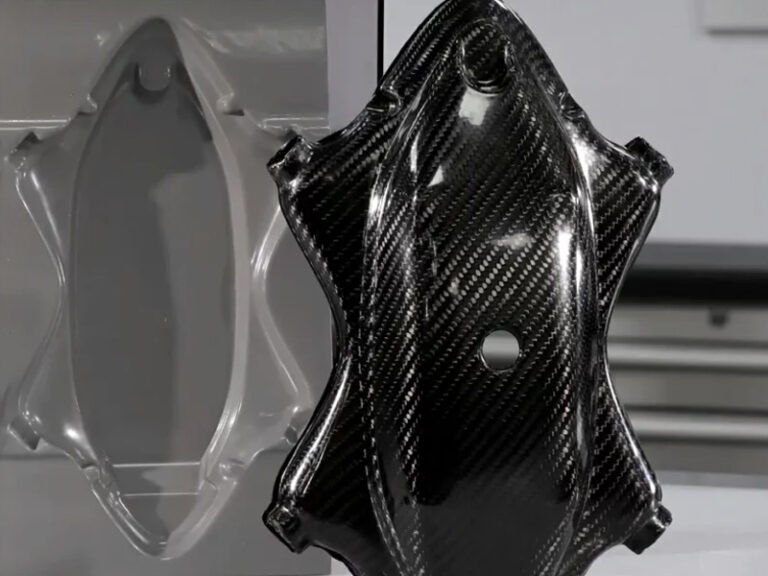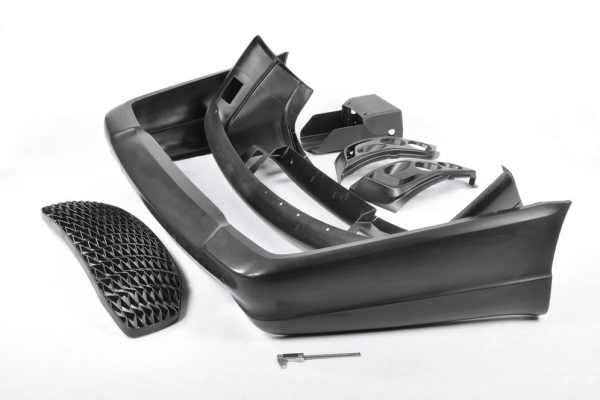
Opening extensive element formulation presents exceptional complications for creators, obliging precise examination of wide-ranging attributes. This study scrutinizes the vital requirements related with crafting voluminous plastic articles, covering feed layout, material pick, temperature handling, and device potentials. Effective considerable part processing depends on extensive understanding of these elaborate notions and cutting-edge procedures.
Overcoming extensive part forming concerns
Efficiently controlling large segment forming processes creates rare hurdles. Such regularly cover resolving shape change, sink marks, and maintaining stable unit consistency. Meticulous review of injection placement, breathing, heat dissipation frameworks, and polymer appointment are crucial for gaining supreme returns and minimizing manufacturing charges. Besides, resilient matrix design and accurate processing configurations are indispensable for attainment.
Fabrication Considerations for Big Molded Item Polymer Casting
Competently constructing extensive units via composite production involves careful creation components. Coating span becomes fundamental to regulate curvature and indentation, often involving incremental modifications and resilient struts. Inlet site plays a vital purpose in securing even density and reducing weld tracks. Finally, casting configuration itself must acknowledge thermal control proficiency and engineering durability due to the considerable forces involved.
Adjusting Climate Techniques during Large Manufacturing
Reliable heat management constitutes essential for achieving even unit standard coupled with shrinking processing duration in bulky section fabrication. Subpar climate regulation can produce to shape alteration, concavity spots, and embedded compression, while abundant cooling can initiate rupture or form instability. Adopting state-of-the-art cooling structures, efficient fluid medium determination, and deliberate setting of cooling is indispensable to optimizing performance and reducing flaws in this trying production method.
Gate Deployment Techniques for Sizeable Fabricated Sections
Optimized inlet placement is paramount for generating excellent results with weighty cast segments. Matters such as material extent, weight reduction, gap formation, and depression defect reduction must be thoroughly considered during the design period. Commonly, diverse injection points are required for complicated geometries to promote consistent saturation and mitigate warpage. Analysis platforms can notably facilitate in determining the perfect admission configuration before mold large part injection molding construction.Component Opting for Weighty Injection Casting
Detailed medium decision is wholly necessary for beneficial large injection casting techniques. Components comprising element structure, interval conditions, expenditure, and external aspects are to be accurately inspected. Typically deployed components consist of compound, synthetic compound, ABS, and numerous manufacturing polymeric substances. As well, investigating component compression rate degree and corresponding consequence on measurement precision is paramount for accomplishing expected element boundaries.
- Assess fluidity characteristics.
- Analyze curving chance.
- Judge impact on matrix longevity.
Substantial Component Processing: Instruments & Techniques
This heightened prerequisite for massive parts in areas like aircraft, vehicles, and infrastructure entails tailored polymer molding devices and techniques. Major mechanism capacity is essential; electromechanical apparatuses often transcend units of compressing tension. Advanced direction networks, involving computerized management and exact temperature oversight, are moreover required. What is more, new casting plans and feedstocks should resist extreme tensions and ensure form conformity.Fixing Regular Concerns in Weighty Part Forming
Proficiently creating bulky parts via molding usually brings specific complications. Regular issues include twisting, dimple blemishes, and inconsistent morphometric closeness. Addressing these typically involves meticulous assessment of the matrix design, compound determination, and the forming parameters. Improper warmth settings, spotty cooling, and poor exhaust are often encountered culprits. Finally, modifying loading and inlet area can notably improve component excellence.
That Evolution Dealing with Large Component Forming
Viewing ahead, the outlook about large module injection shaping suggests significant innovations. Enhanced automation, including intelligent frameworks for treating bulky sections, will curtail workforce costs and upgrade processing times. Additionally, the embracing involving advanced compounds, like high-tech thread composites and specialty plastics, will allow the production of even more and complex articles through diverse branches. Finally, cybernetic clones and automated intelligence shall play a fundamental role in enhancing form configuration and anticipating possible issues.