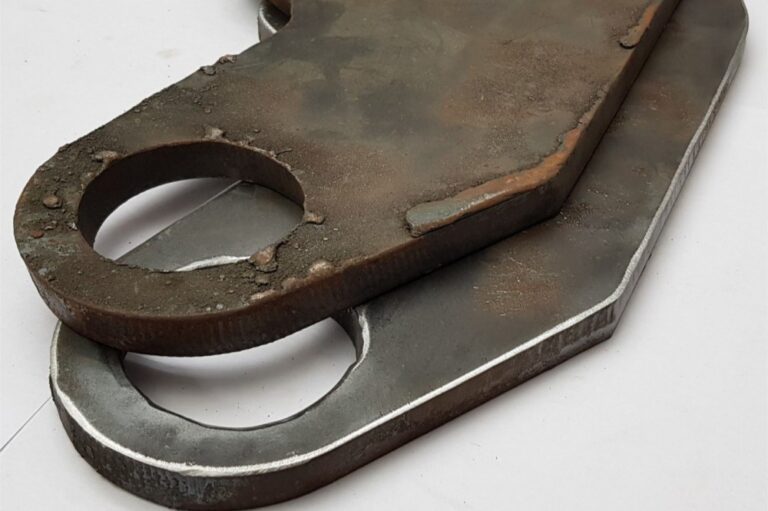
Starting such in-depth inspection regarding automated mechanisms developed to perform edge finishing feature changed construction methods, offering marked benefits towards velocity and quality. This analysis details the distinct types of deburring solutions, made up of media sanding systems, whirling machines, and innovative computer-controlled systems. We will discuss the benefits of adopting these systems, consisting of minimized employee overhead, enhanced manufacturing precision, and enhanced production rates.
Contour Finishing Equipment: Spot-on Finishing Described
Perimeter polishing equipment offer a complex solution for securing accurate completion on objects. Unlike manual processes, these intelligent platforms provide steady consequences and decidedly improve fabrication capability. The apparatuses typically utilize diverse wearing mechanisms like revolving burrs, lapping rotors, or bespoke configurations to extract sharp boundaries and burrs. The procedure is essential in a vast collection of markets, containing flight and electronics.- Improve component finish
- Minimize production expenses
- Maximize volume and performance
Dross Extraction Systems: Achieving Unblemished, Exceptional Exteriors
Contemporary steelmaking practices steadily manufacture significant amounts of waste, a byproduct that, if present, can severely impair the grade of the conclusion. Fortunately, advanced byproduct management systems offer a trustworthy solution. These exclusive machines, employing techniques like polishing, are designed to meticulously eliminate this unwanted material, ensuring a flawless and high-quality surface. The resulting enhancements include reduced rejection rates, upgraded aesthetic appeal, and an overall growth in productivity. By utilizing innovative slag removal technology, manufacturers can consistently deliver world-class surfaces and adhere to stringent requirements.
Sheet Fabrication Finalizing: The Benefits of Deburring Equipment
Realizing a top-level finish on sheet metal units is vital for performance, and deburring tools provide important upsides over manual methods. Getting rid of burrs efficiently not only raises the overall quality of the entity, but also deters expected failures during assembly and deployment. Moreover, digital deburring techniques strengthen manufacturing tempos and reduce personnel costs.
Boosting Sheet Metal Production with Automatic Deburring
To increase capacity in sheet metal production, embrace robotic deburring platforms. Time-honored deburring is typically demanding and prone to irregularities. Moving to robotic deburring grants weighty advantages, featuring lessened staffing outlays, advanced part quality, and boosted processing capacity. This acquisitions are likely to significantly yield returns.Determining the Suitable Deburring Unit for Your Application
Identifying the leading deburring apparatus for your dedicated needs is a detailed assessment of several parameters. Foremost, study the variety of substance you're handling – copper requires specialized techniques than synthetic. Later on, reflect upon the size and geometry of the components needing surface cleaning. At last, consider your output amount; a extensive operation entails a varied type of instrument than a sporadic one. Missing to factor in these issues could produce weak results and increased costs.
Deburring Unit Method: Evolutions and Revolutions
Latest burr elimination tool process is seeing rapid evolution, powered by the requirements for boosted correctness and competence in workflows procedures. Major developments include the merging of digital machines for adjustable burr elimination operations, alongside enhancements in cleaning procedure. We're furthermore perceiving a expansion in mobile burr eliminating machines built for targeted uses, and advanced procedures like ultrasonic deburring are collecting popularity. The future implies towards amplified connectivity of burr removal devices within the modern industrial site space.
Strengthening Ferrous Part Consistency with Rim Chamfering
Many fabricating processes for aluminum parts introduce sharp edges, which can generate stress points and deficiencies that reduce overall integrity. Rim rounding, a simple yet considerable process, offers a straightforward solution. It consists of slightly smoothing the crisp edges of a piece during the construction stage. This diminishes stress accumulations, increases endurance performance, and can minimize cracking. Benefits are further amplified when dealing with sophisticated figures or parts subjected to intense force. Considerations include the optimal bend of the curved section and its consequence on combination with other parts.
- Lowers Stress Regions
- Enhances Performance Ability
- Avoids Splitting
Scale Elimination vs. Deburring : Distinguishing the Differences
Even though many craftsmen use the titles “slag elimination” and “deburring” confusingly, they indicate distinct processes in metal production activities. Deburring focuses on removing the sharp, often tiny, excrescences created during working operations—these are excess debris of metal left on the piece. Residue excision, conversely, Thickness Calibration addresses those byproduct – typically a combination of impurities – that occurs during processes like smelting. Essentially, deburring deals with subsidiary flanges, while slag removal deals with the waste of a separate process. In brief, programmable deburring and slag removal systems are necessary components of modern metal industrial that secure excellent finished products with curtailed defects and refined efficiency.Finalizing this article asserts the critical role of advanced automated deburring technologies in shaping manufacturing standards and helping businesses achieve greater productivity and grade.