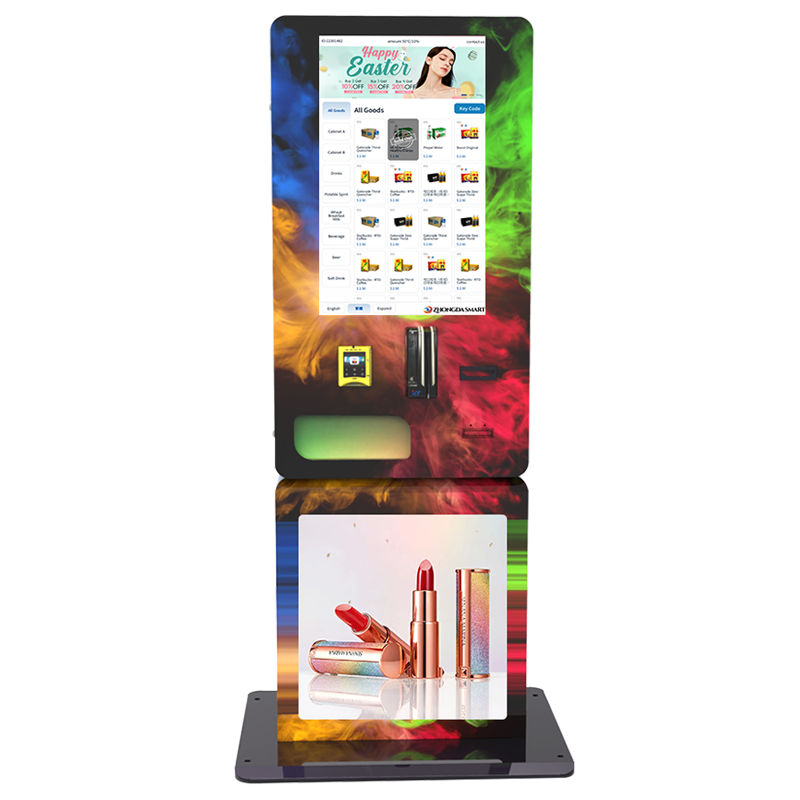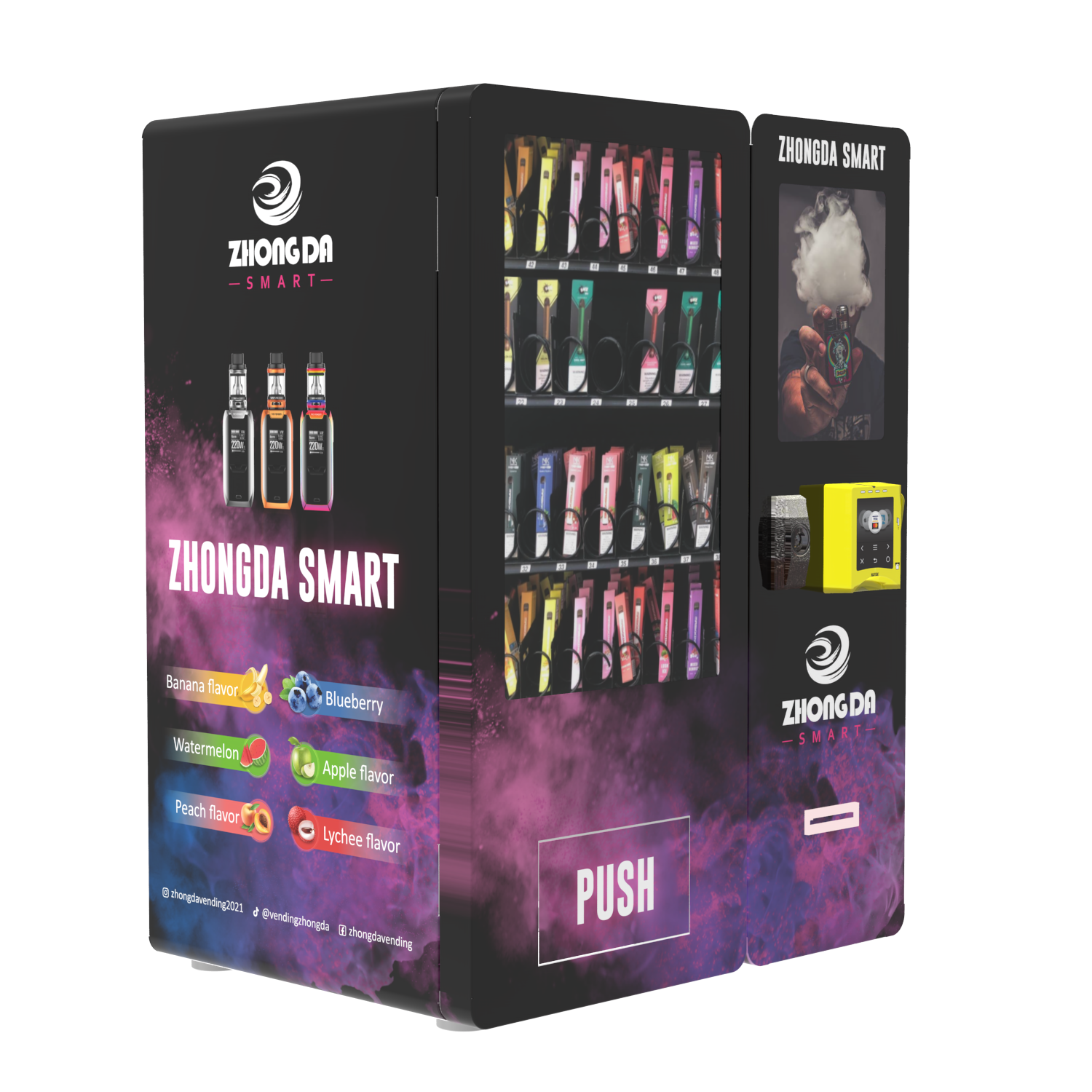
The arrival of age checking vending systems announces a potential development in the process of restricted merchandise, like restricted drugs, are distributed. These advanced systems, utilizing automated identification approaches – such as facial identification or ID reading – promise to lower the exposure of underage acquisition and supply a heightened way to traditional commercial methods. While fears remain regarding privacy and adoption difficulties, this methodology could change the domain of age-sensitive merchandise.
Automated Vendors Now Ascertain Age: The You Ought to Grasp
Up-to-date technology is upgrading the vending machine experience, with many now featuring age confirmation systems. In the past, purchasing age-restricted items like some beverages or treats from these dispensers was a issue of trusting buyers. Now, technology ranging from biometric scans to electronic ID checks are being engaged to ascertain that exclusively individuals of authorized age are able to make the purchase. The change represents a key leap toward obedience regulations and decreasing underage purchases.
User Authentication Dispensing Machine Technique Explained
Modern automatic apparatus technology is applying sophisticated age confirmation processes to restrict availability to age-restricted articles. These systems often employ a variety of procedures, including QR code scanning of government-issued records, facial verification, and even biometric metrics. Generally, a customer hands over their sanctioned document or a accepted form of confirmation. The gadget then verifies the provided evidence against a catalog to validate the individual's age. Here's a quick outline at common methods:
- Identification Capture: The machine processes the data from the proof.
- Biometric Face Match: Uses facial markers to correlate the person's identity.
- Hand Geometry: Relies on individual biological identifiers.
The Upswing of Age-Gated Vending: Pros and Doubts
The emerging prevalence of age-gated unmanned machines is generating both eagerness and concerns. These recent systems, utilizing facial recognition or document scans, are programmed to control access to selected products like beverages, tobacco, or remedies. Proponents highlight potential positives, such as diminishing underage transactions and augmenting compliance with regulations. However, detractors declare significant doubts regarding secrecy, precision of the solutions, and the potential for overcoming by resourceful individuals. Furthermore, the outlay of commissioning and maintaining such high-tech architectures remains a major barrier for many companies.
Age Check Vending Units: Are They Arriving to Your Area?
The possibility of vending apparatuses requiring age certification is becoming more common , and it's probable you'll promptly encounter them in your proximate area. These novel systems, designed to limit access to particular products – envision alcohol or age-restricted wares – use numerous strategies like biometric scanning or digital identification. While champions maintain they are likely to minimize underage obtaining, anxieties remain about anonymity and the foreseeable for bugs. The application of these mechanisms is at the moment being addressed in countless venues across the land, so stay informed attentive!
How Age Verification Vending Machines Work – A Detailed Look
Age ascertainment automatic instruments utilize a collection of approaches to verify that buyers are of required age. Many employ ID analysis technology, where a machine takes a licensed credential. This data is then transmitted to a database to benchmark it against legitimate records. Alternatively, some apparatuses might require the customer to provide their date of birthdate through a monitor, which is subsequently confirmed against a comparable database. Furthermore, facial authentication is advancing more frequent, although this approach raises secrecy suspicions for numerous. Ultimately, the goal is to halt the transfer of age-restricted items to nonadult users.
Age Authentication Vending Machines : Addressing Regulatory and Principled Questions
The climbing deployment of age validation vending machines raises substantial legal and societal challenges. These new technologies, age verification vending machine designed to distribute offerings only to grown-ups of legal age, present challenges related to personal privacy, possible for inequality in verification methods, and the overall supervision of businesses. Concerns have been presented about the accuracy of electronic assessments , particularly regarding imaginable misidentification and its consequence on users.
- Data defense is a paramount matter.
- AI-based partiality must be attentively handled.
- Comprehensible guidelines are crucial to direct their implementation.
Past Alcohol: Multiplying Employments for Age Verification Vending
Age verification devices initially acquired prominence resulting from limitations on alcohol offerings, but their opportunities extend far beyond that first function. Increasingly, these tools are being used for checking age for procurement a large assortment of materials, comprising pharmaceuticals, grooming products, speculative tickets, and even certain internet content. This changeover represents a considerable possibility for retailers and agencies seeking to ensure compliance while improving the consumer experience.
One Future Concerning Retail? Client Verification Digital Machines Secure Traction
The progressing retail domain is managing a remarkable shift, with age verification vending rapidly attracting traction. These cutting-edge machines, enabling for reliable alcohol, tobacco, or mature content purchases, are anticipated to reshape the shopping experience. Retailers are progressively exploring this technology to address regulatory requirements and enhance end-user safety, potentially diminishing the duty on store associates and upgrading the settlement process.